How to Create a Monthly Budget for Beginners
Introduction
How to Create a Monthly Budget for Beginners mention of the word ‘budget’ can raise some eyebrows. Many people don’t budget because budgeting is restrictive or complicated. A budget is really a straightforward plan for your money, it is not a dramatic occurrence. Takes control of your dollars, not you of them. If you’ve never made one before, this is a very simple and easy method to try out.
What a Budget Actually Is
A budget is merely a plan that balances your income with your expenditures. It’s not a matter of limitation or privation. It’s a matter of awareness and intention, and ensuring that your money is used to do what you actually care about, rather than vanish monthly due to a lack of knowledge.
Why Beginners Often Avoid Budgeting
Many people would think that budgeting will need a spreadsheet, complicated equations or discipline. In reality, a beginner budget can be very simple, it might be just a sheet of paper with a list of numbers or a simple note taking app.
Choose a Budgeting Method That Fits You
There’s no single “correct” way to budget. Various approaches are more effective with various personalities and lifestyles.
The 50/30/20 Rule
The strategy calls for allocating 50 percent of your income needs, 30 percent wants, 20 percent savings and/or debt repayment. Easy versatile to use, often good place begin.
Zero-Based Budgeting
This approach involves allocating each dollar of income particular purpose rent, food, savings or entertainment until reached a point your income equal to your outgo. This method provides some more control and slightly more detailed tracking.
The Envelope System
This is usually conducted using physical cash envelopes for each expenditure category, but it is often still used digitally also. It’s particularly beneficial for those who might spend too much when using cards instead of cash.
Steps to Build Your First Monthly Budget
When your budget is divided into steps it’s much easier to create your first budget.
1. Calculate Your Total Monthly Income
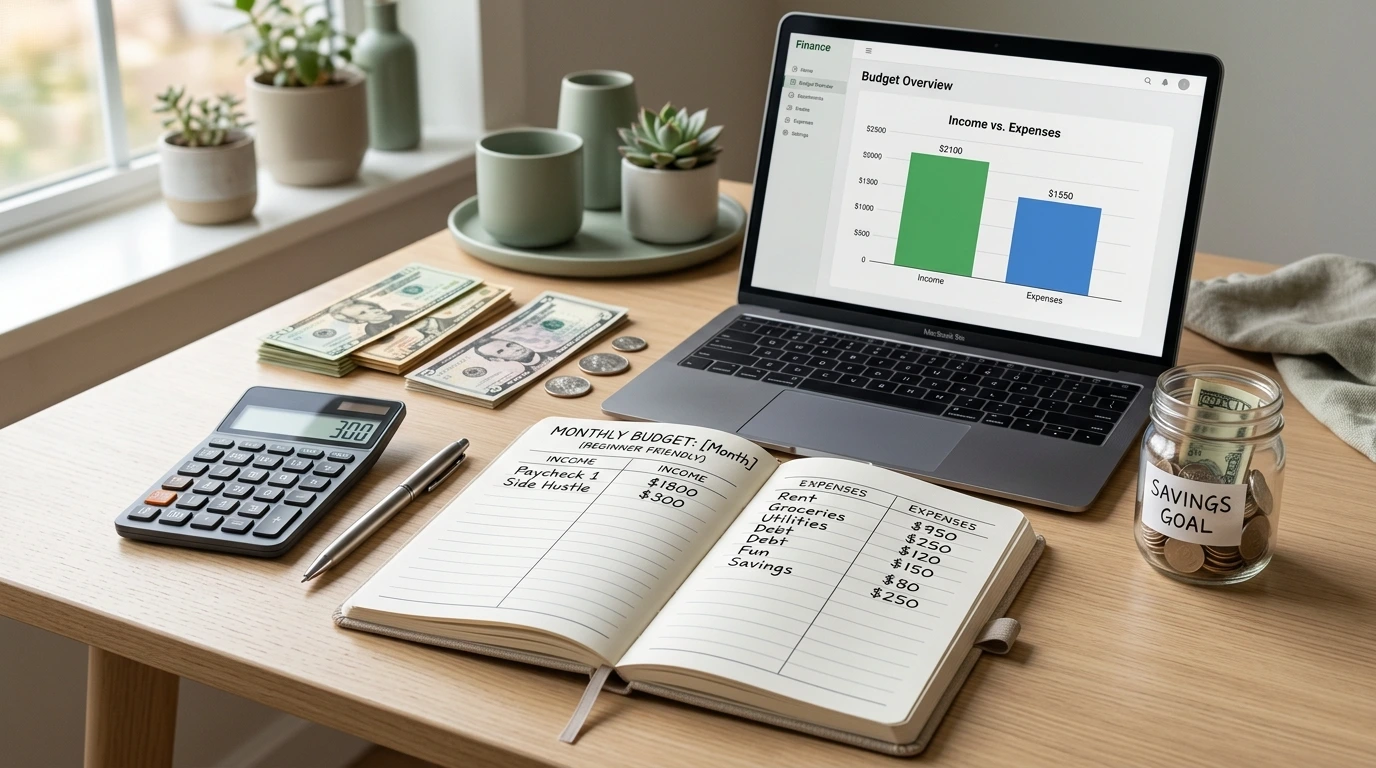
Add your salary, side business earnings or any other regular earnings that occur monthly. Adhere to your after-tax income as it represents the real amount you have to spend or save.
2. List All Monthly Expenses
Record fixed expenses such as rent, utilities and insurance, and variable expenses such as food, transportation and entertainment. Look at bank statements to make sure it doesn’t get overlooked.
3. Categorize Your Spending
Break down your expenses organize them into general classes: like housing, food, transportation, personal. This help you understand where all your money being spent each month.
4. Compare Income to Expenses
Total income – total expenses total savings. A positive number means that you can save more or pay off more on your loan. If it’s negative, you’ll have to make some changes to your spending in some categories.
5. Adjust and Finalize
Identify areas in which expenditures can be cut—where it is feasible to cut without making the budget feel out of control. Having a tight budget is better than a budget that you’re unlikely to stick with.
Quick Comparison: Popular Budgeting Methods
| Method | Best For | Complexity Level |
| 50/30/20 rule | Simplicity and flexibility | Low |
| Zero-based budgeting | Detailed control over spending | Medium to High |
| Envelope system | Reducing overspending habits | Low to Medium |
Tools That Make Budgeting Easier
If you’re new invest a lot of software. There are several easily available alternatives suitable for different tastes.
Simple Spreadsheet Templates
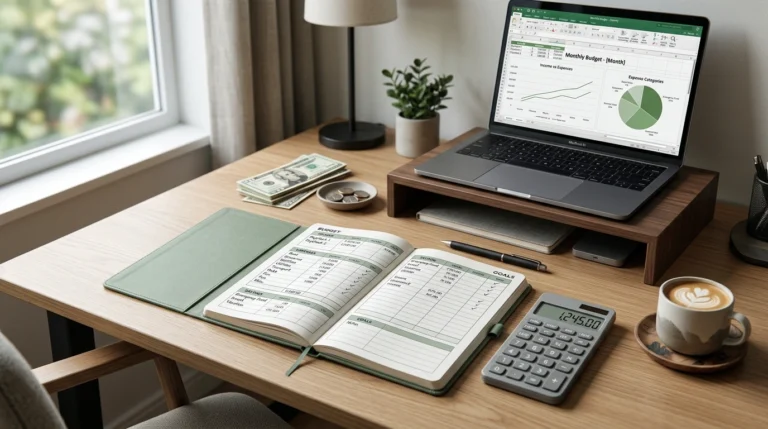
The free spreadsheet templates found in common office software provides a simple method to keep track of income and expenses and do not require any skills at building a spreadsheet from the ground.
Budgeting Apps
Budgeting apps that are built to do so can automatically sort and classify spending based on your bank account, which is more efficient than manually tracking spending.
Pen and Paper
Some beginners will find a simple notebook app just as effective as any other app. This manual method can also help to increase awareness and retention about spending habits.
Common Mistakes Beginners Make
Some obvious budgeting pitfalls get in the way of novice budgeters.
Making the Budget Too Strict
If you make every cut in the budget one that you feel you cannot afford, you will end up frustrated and giving up. Allow flexibility particularly at the start.
Forgetting Irregular Expenses
Expenses car maintenance, yearly memberships vacation spending neglected. If you budget little for these out-of-the-ordinary costs each month, you avoid any unpleasant surprises down road.
Giving Up After One Difficult Month
Most budgets are not flawlessly executed the first time through. But if you don’t give up on the process altogether, you can adjust the categories to fit the actual spending patterns and get better results in the long run.
Reviewing and Adjusting Your Budget Over Time
A budget isn’t something you create once and forget. Things change, costs adjust and it will probably not be a success the first time. By looking at your budget every month you can start making the adjustments to various categories that are always spending too much or too little, and eventually develop a budget that more closely represents your actual spending pattern.
Treat Budgeting as an Ongoing Skill
As with any new skill, the more you practice the better you’ll get at budgeting. Every month you get better and better at being able to see how your money is spent and are able to create more accurate and easier budgets in the future.
Final Thoughts
It doesn’t take a complicated tool discipline to create a budget. Determine approach works for you, honest about your income and expenses, and tweak it along the way. It’s more about improvement than perfection here. With time, budgeting is no longer a restrictive exercise but a useful habit which subtly assists you in reaching your financial goals.
FAQs
What is the best way to budget for a novice?
The 50/30/20 rule is generally the one that is recommended first, as it’s easy to follow and doesn’t require the tracking of every category in detail.
Do I need a Budgeting App to make a Month Budget?
No, it doesn’t need to be anything fancy, it could be a simple spreadsheet or notebook for people who are just starting out.
If your spending is greater than your income, what do you do?
Look for variable costs first as they are typically more easily eliminated than fixed costs such as rent or utilities!
Do first budgets always perform as perfectly as they should?
Yes, it does take some time for the majority of people who are just getting started to get their spending habits right in their budget.