Best Ways to Save Money on Groceries Every Month
Introduction
Best Ways to Save Money on Groceries Every Month think you are shopping for same items each week, grocery costs easily add up. Things get cheaper and cheaper, add extras on to a cart, and suddenly you have a cart that exceeds expectations. It simply involves a more clever way of shopping! This is the recipe for doing that.
Why Grocery Bills Quietly Increase Over Time
Even you think you are shopping for same items each week, grocery costs easily add up. Things get cheaper and cheaper, add extras on to a cart, and suddenly you have a cart that exceeds expectations. It simply involves a more clever way of shopping! This is the recipe for doing that.
Awareness Is the First Real Savings Tool
People don’t realize just how much it is that they buy and forget. Knowing about the price trends and purchasing habits of others is the first step in getting actual, permanent savings.
Plan Before You Shop
So much of the money you can save from unnecessary spending can be avoided if you plan a bit ahead.
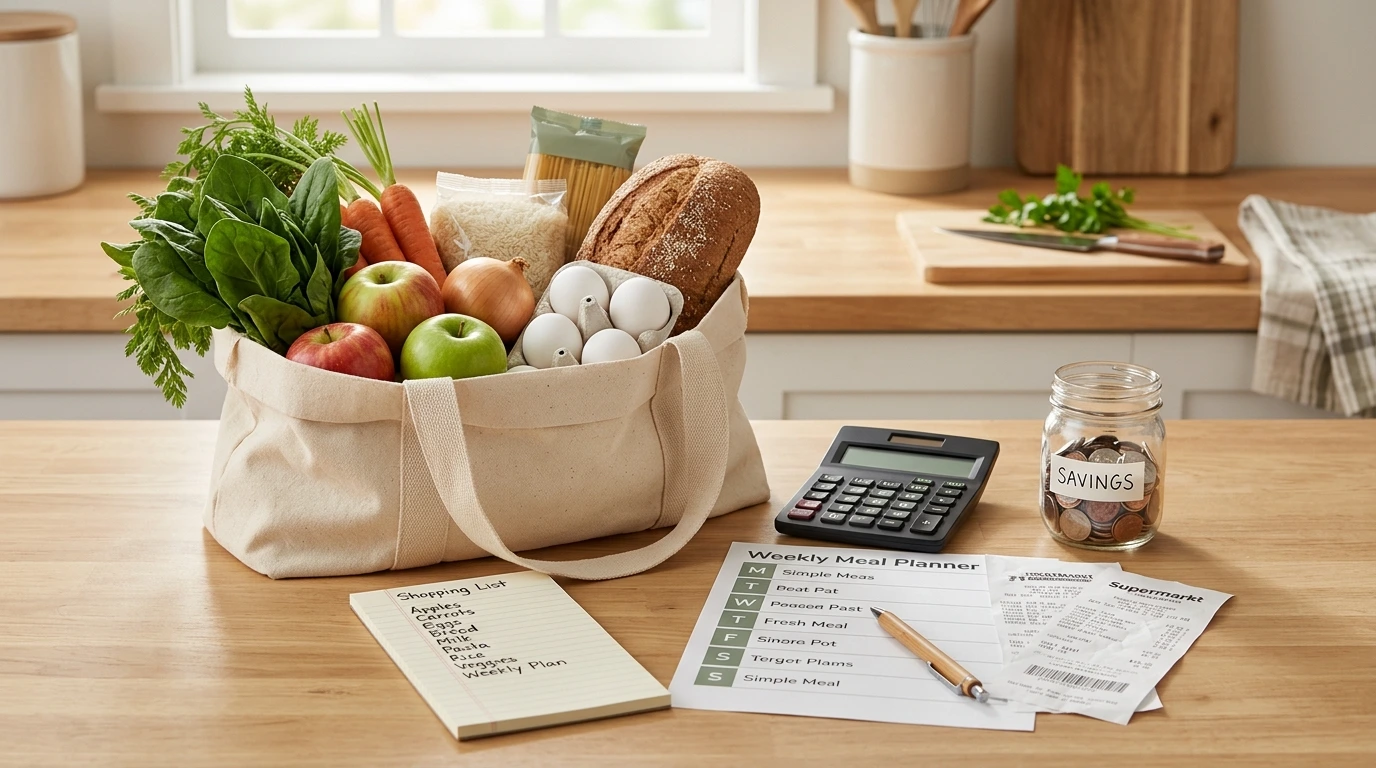
Build a Weekly Meal Plan
Shopping for ingredients based on what foods already pantry and refrigerator helps avoid waste duplicate food items. It also cuts down take out of last minute meals, much more expensive cooking at home.
Make a Detailed Shopping List
A specific list helps to keep you on task within the store as per your meal plan. Keeping in line with it greatly minimizes impulsive buying which can mount up rapidly when getting to the checkout counter.
Check What You Already Have First
Do a quick scan of the refrigerator, freezer and pantry in advance of your shopping. This is an easy way to avoid purchasing duplicate items that you already have, and is something that people often do.
Shop Smarter Inside the Store
You can’t necessarily tell what you get, just by how you get it.
1. Compare Unit Prices, Not Just Total Price
There are times when larger packages are more expensive than smaller ones. With a little comparison, check the price per ounce, ounce or by the item to see the real better buy instead of taking the word on board that bigger is always better.
2. Stick to the Store’s Perimeter Mostly
Fruits, vegetables meat and dairy products are typically found around edges of store, high-margin, lower cost items tend middle aisles. Be sure spend more time on edges, as it will minimize impulse purchases.
3. Buy Generic or Store Brands
Store-brand items may be very similar, but much cheaper than their name-brand counterparts. Just a couple of swaps of standard ingredients can lead to significant and continuous cost savings, but not a compromise in flavor.
4. Avoid Shopping While Hungry
When you’re hungry, you’re more likely to make impulse purchases, particularly when it comes to snacks and convenience foods. Obviously, that’s what eating a meal before will do as well.
Use Technology to Your Advantage
There are a number of digital aids that can help you save money on the food bill without having to make extra effort.
Cashback and Rebate Apps
The cashback apps represent a small fraction of the amount you are already spending on groceries, which can add up quite a bit when you consider the amount of time it’s there.
Digital Coupons and Store Loyalty Programs
Numerous supermarkets supply application-based coupons or loyalty points that will be used at the checkout counter. Registration only takes minutes and can lead to continued savings throughout.
Price Comparison Tools
You can use some applications to check the prices of stores that are local to you before you make a purchase, so you can determine whether a particular product is actually less expensive this week.
Quick Comparison: Grocery Saving Strategies
| Strategy | Effort Level | Potential Monthly Savings |
| Meal planning | Medium | $40 – $100 |
| Buying store brands | Low | $20 – $50 |
| Using cashback apps | Low | $10 – $30 |
| Bulk buying non-perishables | Medium | $15 – $40 |
| Reducing food waste | Medium | $30 – $60 |
Reduce Food Waste to Save More
Wasted food is essentially wasted money and it can occur much more frequently than most households realize.
Store Food Properly
Proper storage for produce, dairy and leftovers can make them last for a much longer time, therefore making the food be less prone to spoiling before it is consumed.
Repurpose Leftovers Creatively
Cooking the leftovers from vegetables, or the leftover rice from fried rice into soup can be much more cost-saving than buying extra rice or vegetables.
Freeze What You Won’t Use Soon
Freezing bread, meats or produce that is about to expire avoids food waste, and allows for more flexibility when planning meals later in the month.
Buy in Bulk Strategically
Bulk buying isn’t always an economical option, but only when planned carefully.
Focus on Non-Perishables and Staples
These products such as rice, pasta, canned items and toiletries are great for bulk buying, as they will not go bad easily and are necessary for daily use in many homes.
Avoid Bulk Buying Perishables You Won’t Finish
Spending a significant amount of money on purchasing large quantities of perishable goods without a proper plan can result in spoilage and may not lead to any benefits from bulk discounts.
Final Thoughts
It’s not difficult save money on your food expenses, doesn’t have to involve extreme measures complicated food systems. It’s all about planning, shopping a purpose, and paying attention details unit pricing food storage.
If you use a few of these methods a regular basis, you soon able to notice your food budget is smaller usual, you haven’t gone without things you love.
FAQs
Do store brands taste as good as name brands?
Yes, in most cases for food items that are in the pantry, milk, and canned foods where quality is generally the same.
How much will each of them save by meal planning each month?
Many people simply end up saving $40-$100 per month by cutting down on food waste and ordering food for home instead of taking out.
Do cash back apps make sense for groceries?
Yes, particularly because they are easy to do and offer a slight refund on your purchases.
Can a 20-minute drive nearest gas station save you money?
Not always. It only saves money if the product isn’t perishable or is actually consumed prior to spoilage.
How to save money food right now?
One of quickest and easiest ways curb overspending make detailed shopping list based weekly meal plan.





One Comment